
Fixing Common Range Problems Effectively: Your Guide to Range Maintenance Solutions
- PaperTrail Notary

- Apr 20
- 4 min read
When your range starts acting up, it can throw a wrench in your daily routine. Whether you’re cooking for your family or running a busy kitchen, a malfunctioning range is more than just an inconvenience. The good news? Many common range problems are fixable with the right approach. I’m here to walk you through practical, easy-to-follow steps to get your range back in shape. Let’s dive into some effective range maintenance solutions that will save you time, money, and stress.
Understanding Range Maintenance Solutions: What You Need to Know
Ranges are complex appliances with several components working together. From burners and ovens to control knobs and igniters, each part plays a crucial role. When something goes wrong, it’s often due to wear and tear, dirt buildup, or electrical issues. Here’s a quick rundown of common problems and how simple maintenance can prevent them:
Burners won’t light or stay lit: This usually happens because of clogged burner ports or faulty igniters.
Oven temperature is inaccurate: A broken thermostat or heating element can cause uneven cooking.
Control knobs are loose or unresponsive: Over time, knobs can wear out or get stuck with grease.
Strange noises or smells: These can indicate gas leaks or electrical faults, which need immediate attention.
To keep your range running smoothly, regular cleaning and inspection are key. For example, removing burner caps and soaking them in warm, soapy water can clear blockages. Also, wiping down control panels with a damp cloth prevents grime buildup that affects functionality.
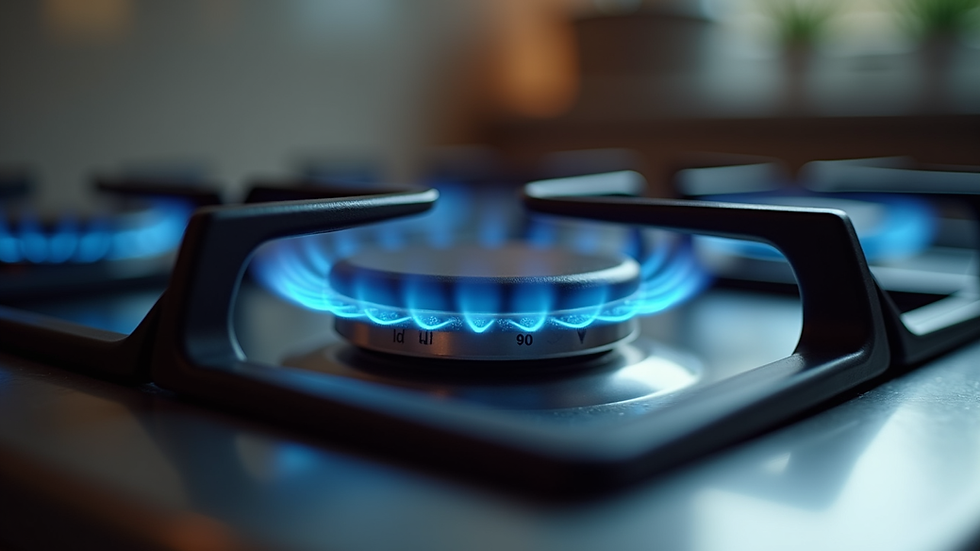
If you’re not comfortable handling electrical parts or suspect a gas leak, it’s best to call in professionals. Many homeowners and businesses rely on range repair services to handle these tricky issues safely and efficiently.
Common Range Problems and How to Fix Them
Let’s get into the nitty-gritty of some typical range problems and how you can tackle them yourself before calling for help.
1. Burners Won’t Light
If your burner won’t light, start by checking if the burner ports are clogged. Food spills and grease can block the tiny holes where gas flows out. Here’s what to do:
Remove the burner cap and clean it thoroughly.
Use a needle or a toothpick to clear any debris from the burner ports.
Dry everything completely before reassembling.
If the burner still won’t light, the igniter might be faulty. You can test this by listening for a clicking sound when you turn the knob. No click means the igniter needs replacement.
2. Oven Not Heating Properly
An oven that won’t heat or heats unevenly can ruin your meals. The culprit is often a broken heating element or a faulty thermostat. Here’s a quick check:
Turn the oven on and observe if the heating element glows red.
If it doesn’t, the element might be burned out and needs replacing.
For thermostat issues, an oven thermometer can help you verify if the temperature matches the setting.
Replacing these parts is usually straightforward but requires unplugging the appliance first for safety.
3. Control Knobs Are Stuck or Loose
Sticky knobs can be annoying and dangerous if you can’t control the heat properly. To fix this:
Remove the knobs by pulling them straight off.
Clean the area behind the knobs with a mild cleaner.
Check for any broken plastic parts and replace the knobs if necessary.
4. Strange Noises or Smells
If you notice unusual sounds or smells, don’t ignore them. Gas leaks can be hazardous, and electrical issues can cause fires. If you smell gas, turn off the range immediately and ventilate the area. Contact professionals for inspection and repair.

How much does it cost for someone to fix an oven?
Understanding the cost of oven repairs helps you plan better. The price depends on the problem’s complexity and the parts involved. Here’s a rough breakdown:
Minor repairs like cleaning or replacing knobs: $50 - $100
Heating element replacement: $100 - $200
Thermostat repair or replacement: $150 - $250
Igniter replacement: $100 - $200
Professional diagnostic fee: $50 - $100 (sometimes waived if you proceed with repairs)
Keep in mind that prices vary by location and service provider. Investing in regular maintenance can reduce the chances of costly repairs down the line.
When to Call for Professional Range Repair Services
Sometimes, DIY fixes aren’t enough. If you’ve tried the basic troubleshooting steps and your range still isn’t working right, it’s time to call in the experts. Here are signs you shouldn’t ignore:
Persistent gas smell or suspected leaks
Electrical sparks or burning smells
Oven won’t heat at all despite replacing parts
Control panel malfunctions or error codes
Complex wiring or component issues
Professional technicians have the tools and knowledge to diagnose and fix problems safely. Plus, they can provide advice on maintaining your range to avoid future issues.
Tips for Preventing Range Problems Before They Start
Prevention is always better than repair. Here are some simple tips to keep your range in top shape:
Clean regularly: Wipe spills immediately and clean burners weekly.
Check knobs and igniters: Make sure knobs turn smoothly and igniters click properly.
Avoid harsh chemicals: Use mild cleaners to protect surfaces and components.
Schedule annual inspections: A professional checkup can catch issues early.
Use your range properly: Avoid overheating and don’t use cookware that’s too large or small for burners.
By following these steps, you’ll extend your range’s life and keep your kitchen running smoothly.
Fixing common range problems doesn’t have to be overwhelming. With a little know-how and regular care, you can handle many issues yourself. And when things get tricky, trusted range repair services are just a call away to help you get back on track quickly and safely. Keep your range in great shape, and it will keep serving you well for years to come.


Comments